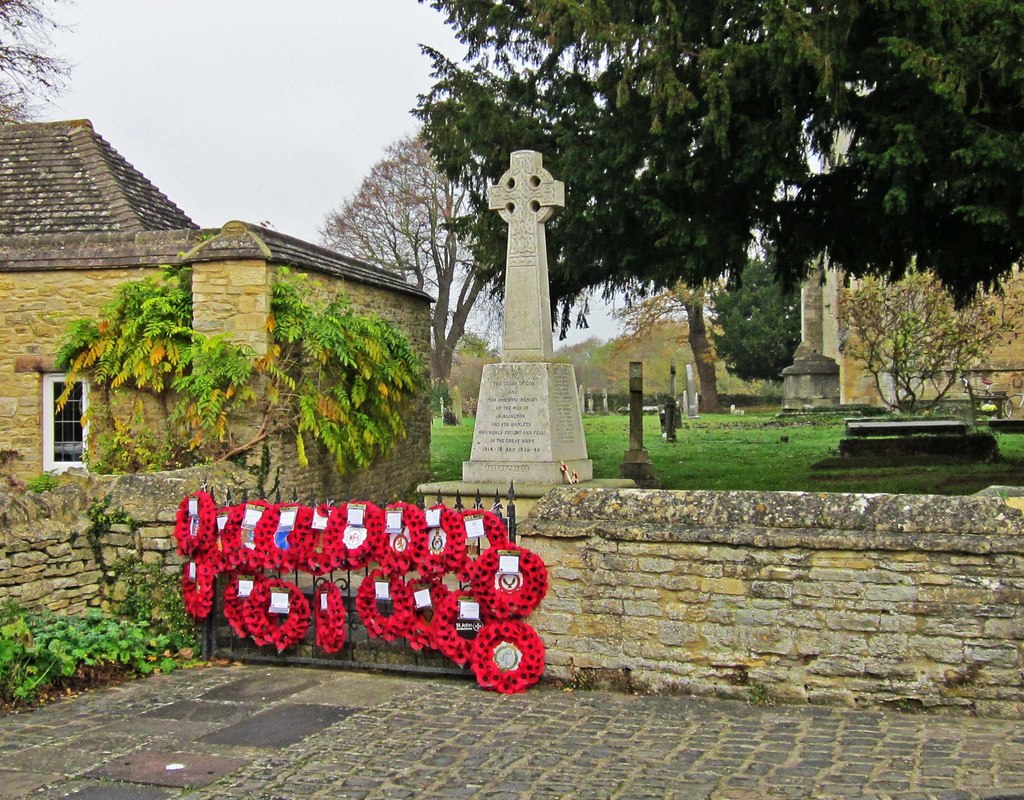
Early November marks Remembrancetide, leading up to November 11th, and the anniversary of the signing of the Armistice on the eleventh hour of the eleventh day. We are familiar today with the War Cemeteries, instituted after the First World War by by the War Graves Commission, but during the conflict many of those interred had more temporary grave markers. Some of these survive today, and if you visit St Mary the Virgin, Wootton by Woodstock, or St Peter and Paul, Deddington, you may see some of them carefully displayed.
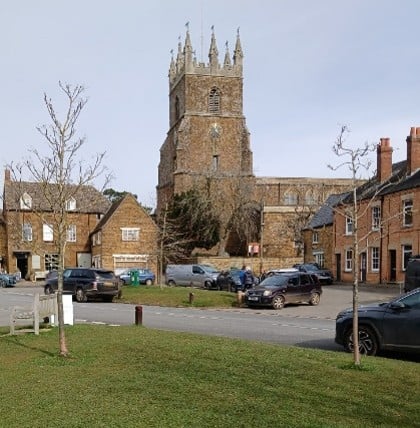
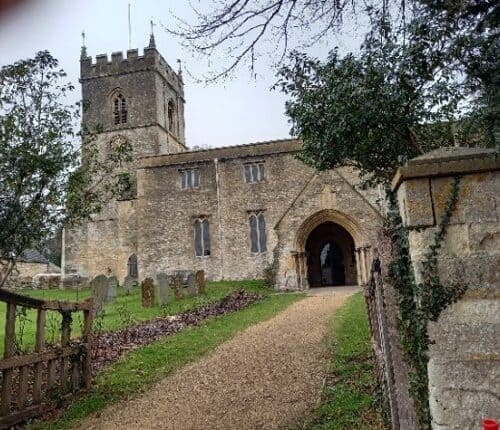
At Wootton, the war memorial itself, listing all those from Wootton who were killed (including one who served in the Canadian Mounted Rifles) has on both sides some of the original First World War grave markers used in France and Flanders. At Deddington, there is a similar display, including one for Private William Loder French, killed in 1916, who had served in the Australian Infantry (AIF).
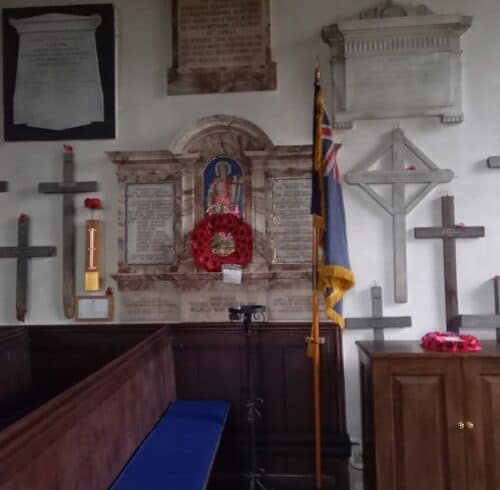
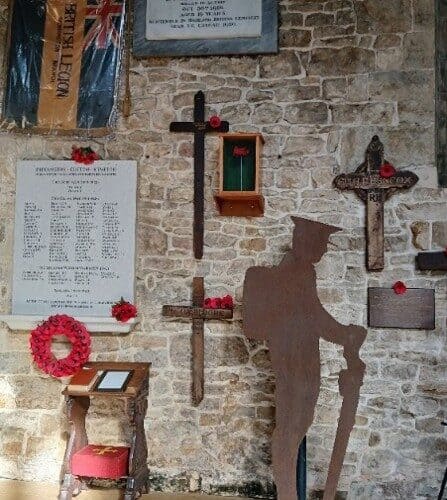
These markers take us back beyond the 1918 Armistice to the course of the War, and it may not be well known that between 1916 and 1918 there were also precursors to the familiar War Memorials we all know. A number of communities set up ‘War Shrines’, listing the names of those from the immediate locality who were serving in the Forces. Many or most of these will not have survived, but if you go to St Andrew’s, Sandford on Thames to see the War Memorial inside the church and read the brass plate on the wall below, you will find the inscription, ‘‘This War Shrine was Dedicated by the Archdeacon of Oxford on Whitsun Day May 27th 1917 during the Great War. After remaining for more than two Years on a wall in this Parish, it was removed to the Parish Church in August 1919.’ I suspect this is a rare survival; another example of one of our Oxfordshire churches preserving an unexpected treasure.
By Elizabeth Knowles
All photographs © Elizabeth Knowles