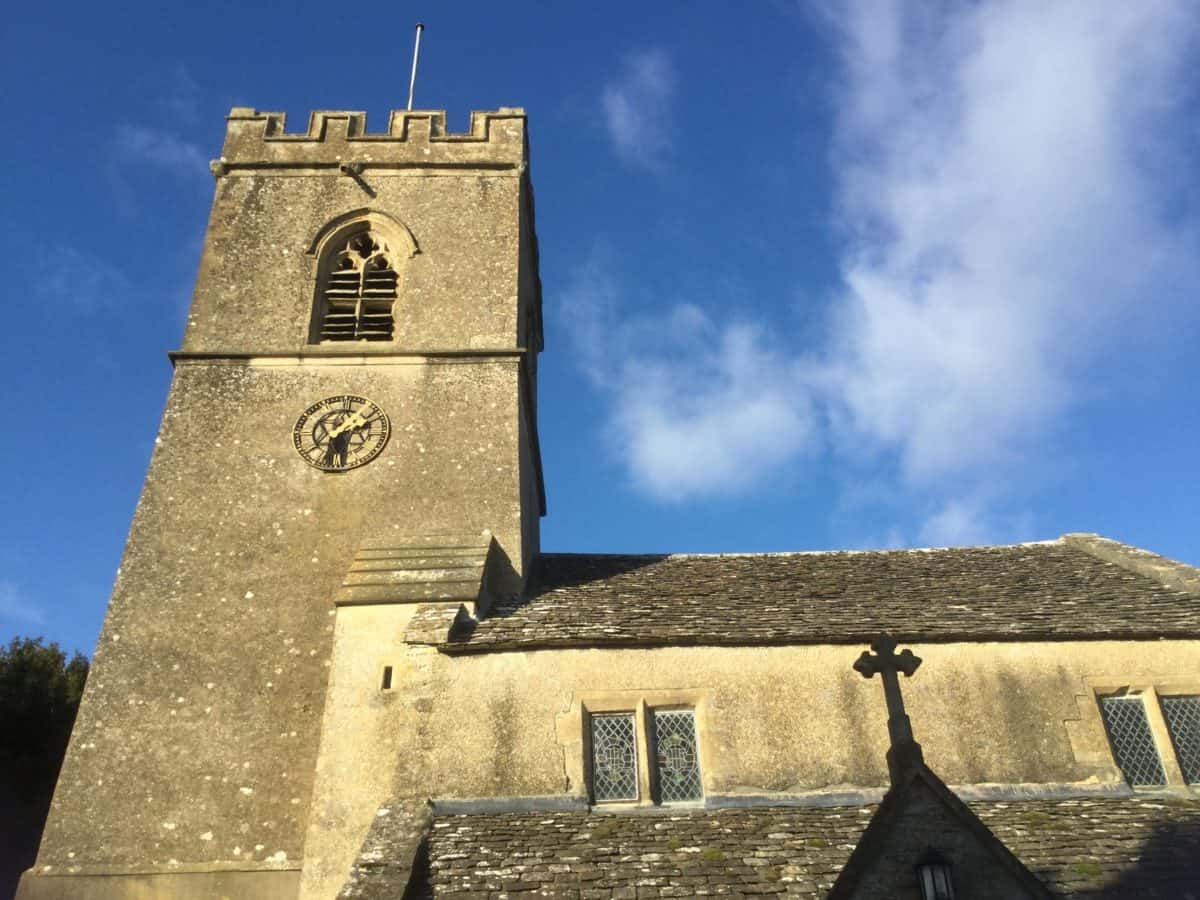
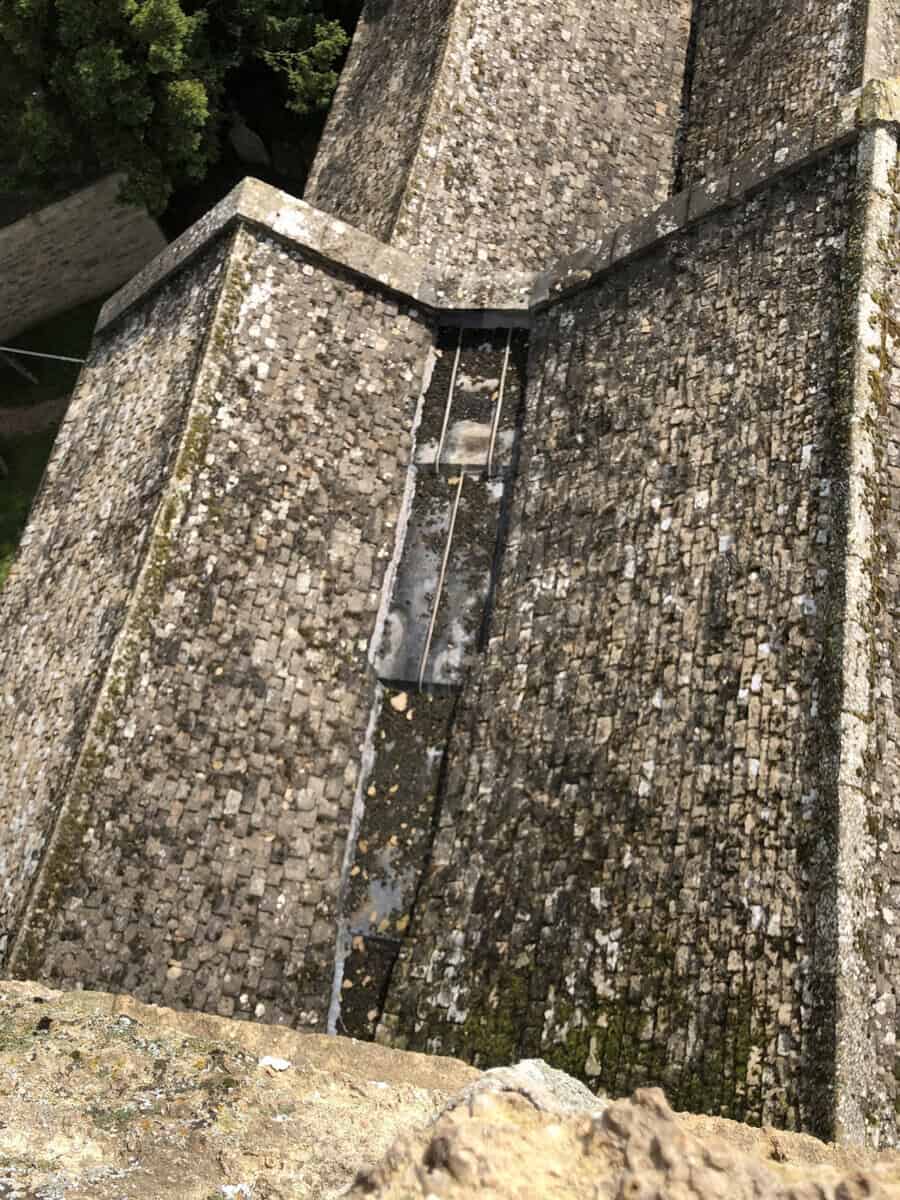
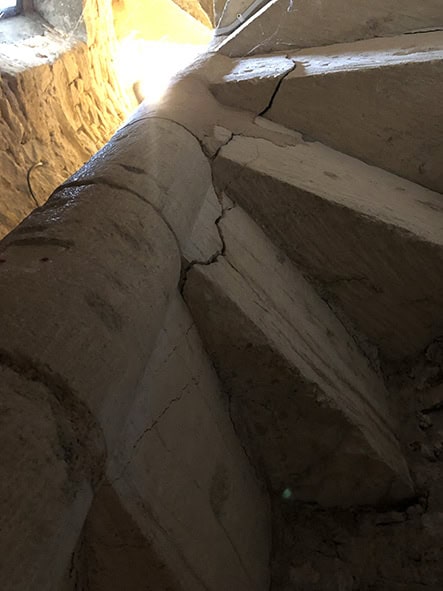
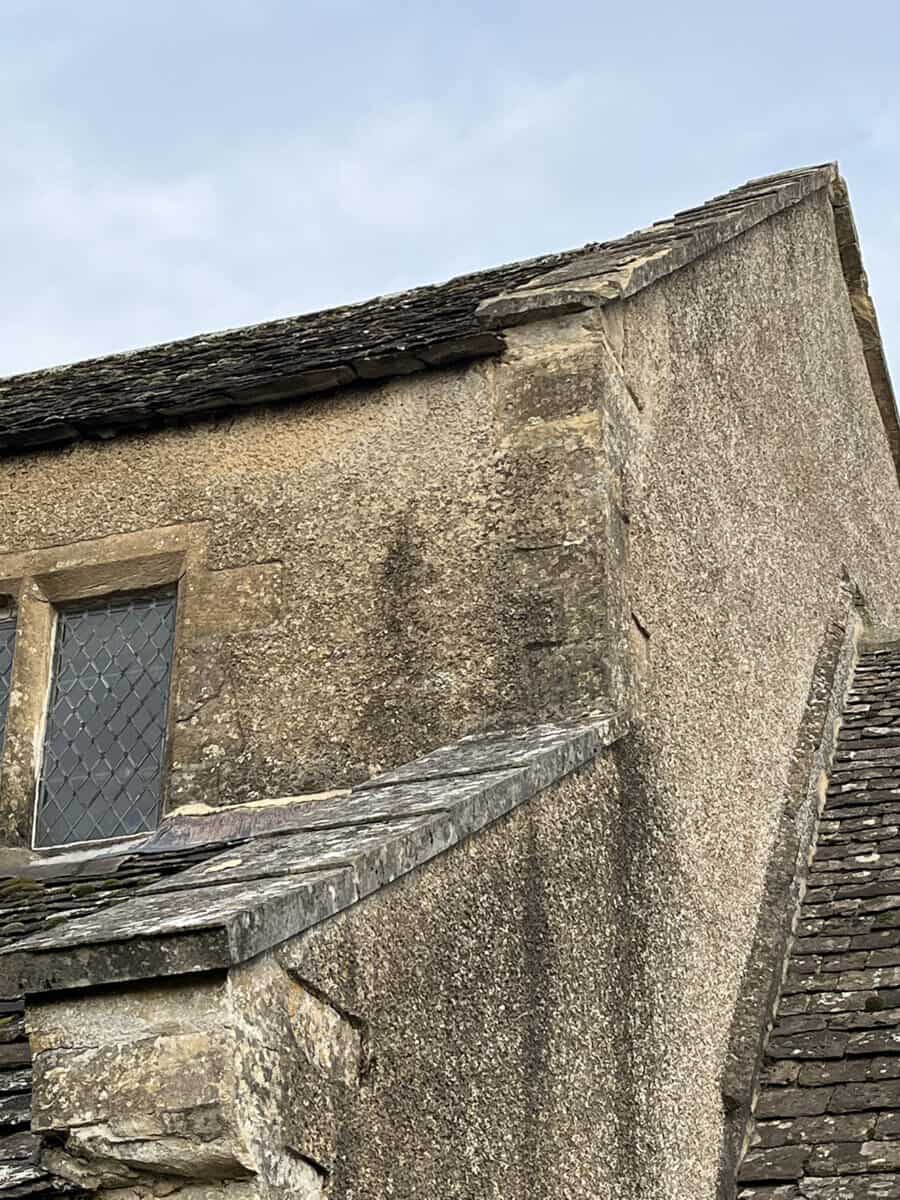
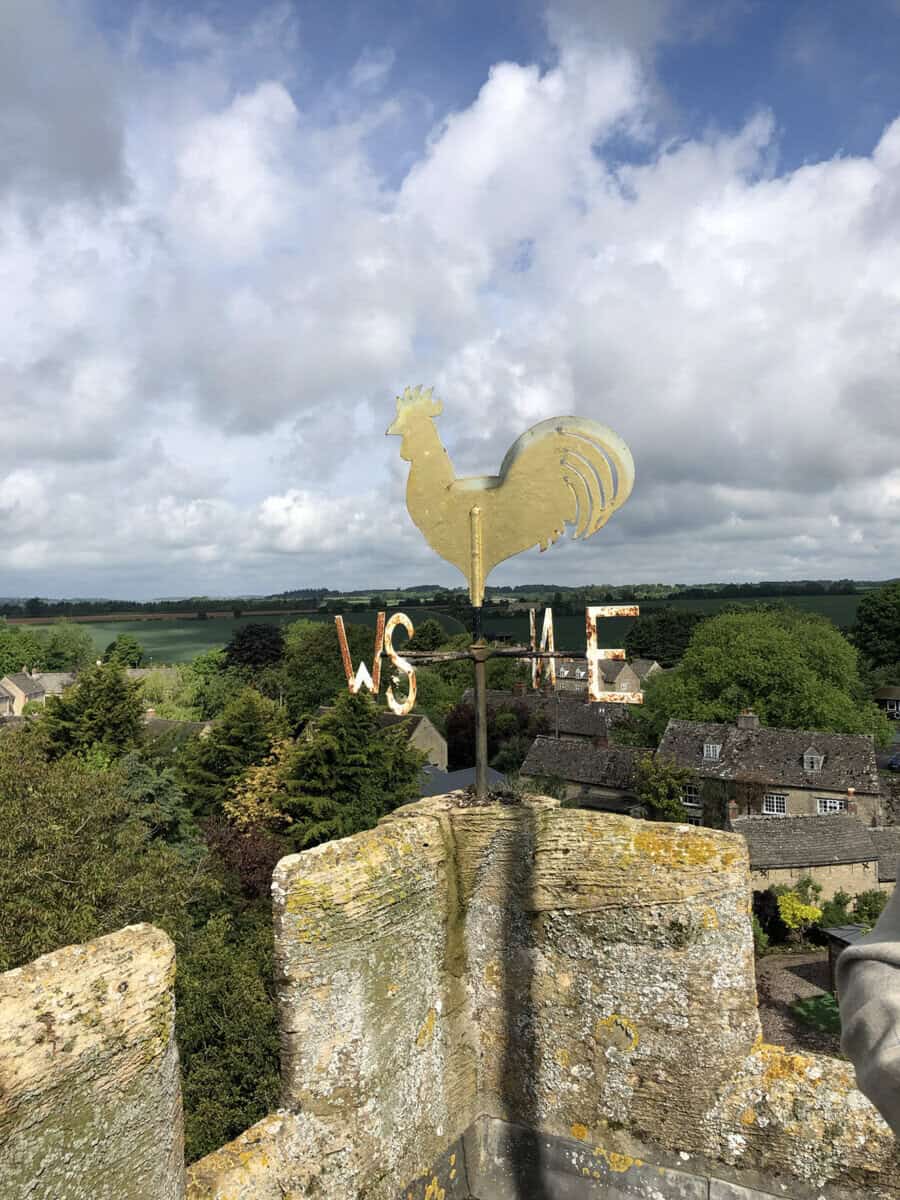
The 2021 Quinquennial survey undertaken by Nick Cox Architects recommended considerable restoration work, including masonry, roofing slates and leadwork, and other heritage repairs. A quote of £104,000 + VAT was accepted for this work, to be undertaken by Peter Hawkins Building Contractors.A large amount of grant support and fundraising was needed, and we were extremely grateful to the Oxfordshire Historic Churches Trust for giving us our first grant of £30,000. This was so encouraging and, together with further grants, a very generous legacy and many kind donations, our target was reached.
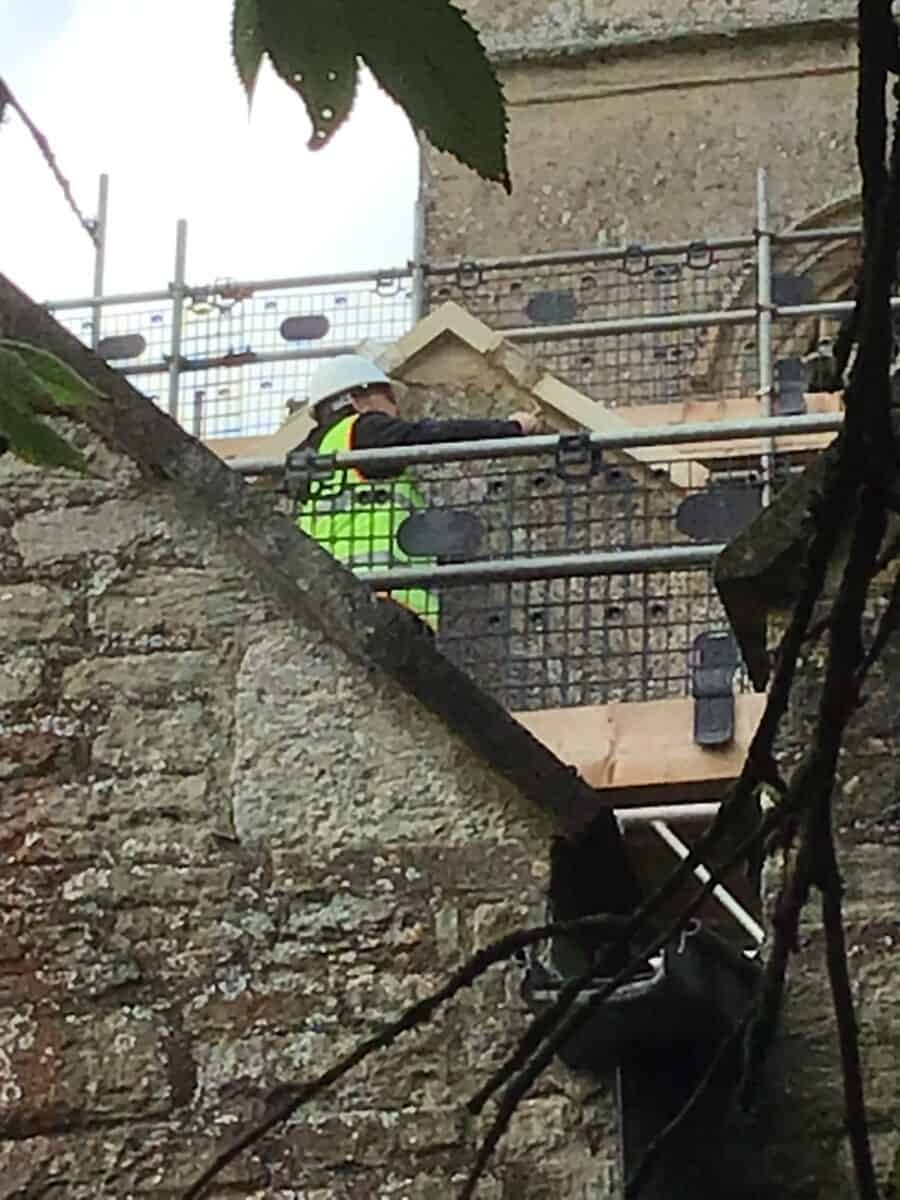
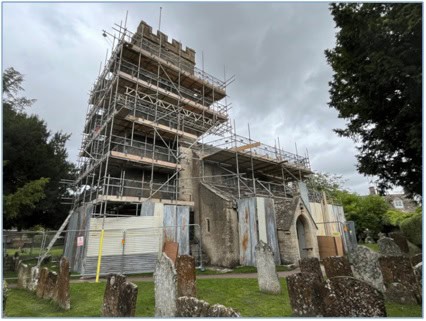
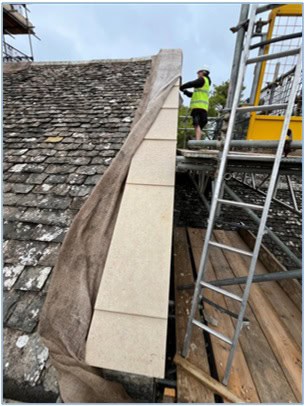
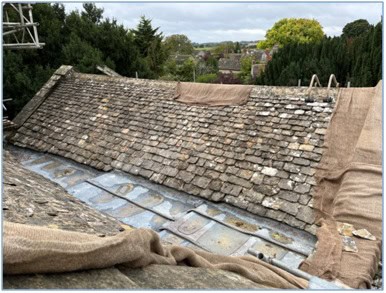
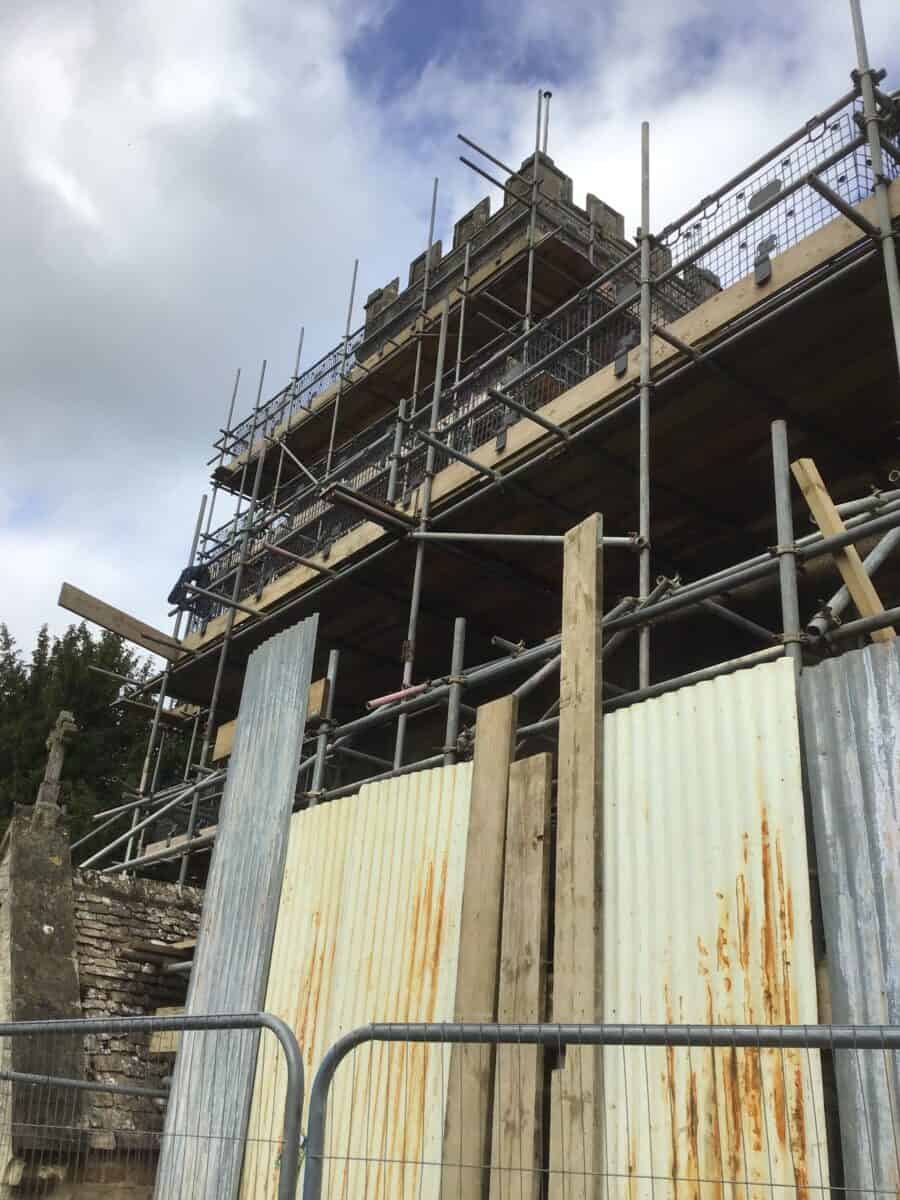
The restoration began in September 2024. It was very exciting to see the scaffolding being constructed and improvements being made to the stonework. Much important work was undertaken on the roof (which is comprised of the famous Stonesfield slates), to keep the building watertight for future generations. Whilst the repairs were being carried out, further work was unfortunately found to be needed on the roof. Again, the OHCT very kindly came to our rescue with an additional £4,000 grant, which was hugely appreciated. The entire restoration was completed in December 2024.
We are delighted that our beautiful church has been preserved and restored, both for today and for the future, so that we can continue to offer a place of worship and welcome in Stonesfield. Thank you so much for the generosity of OHCT.
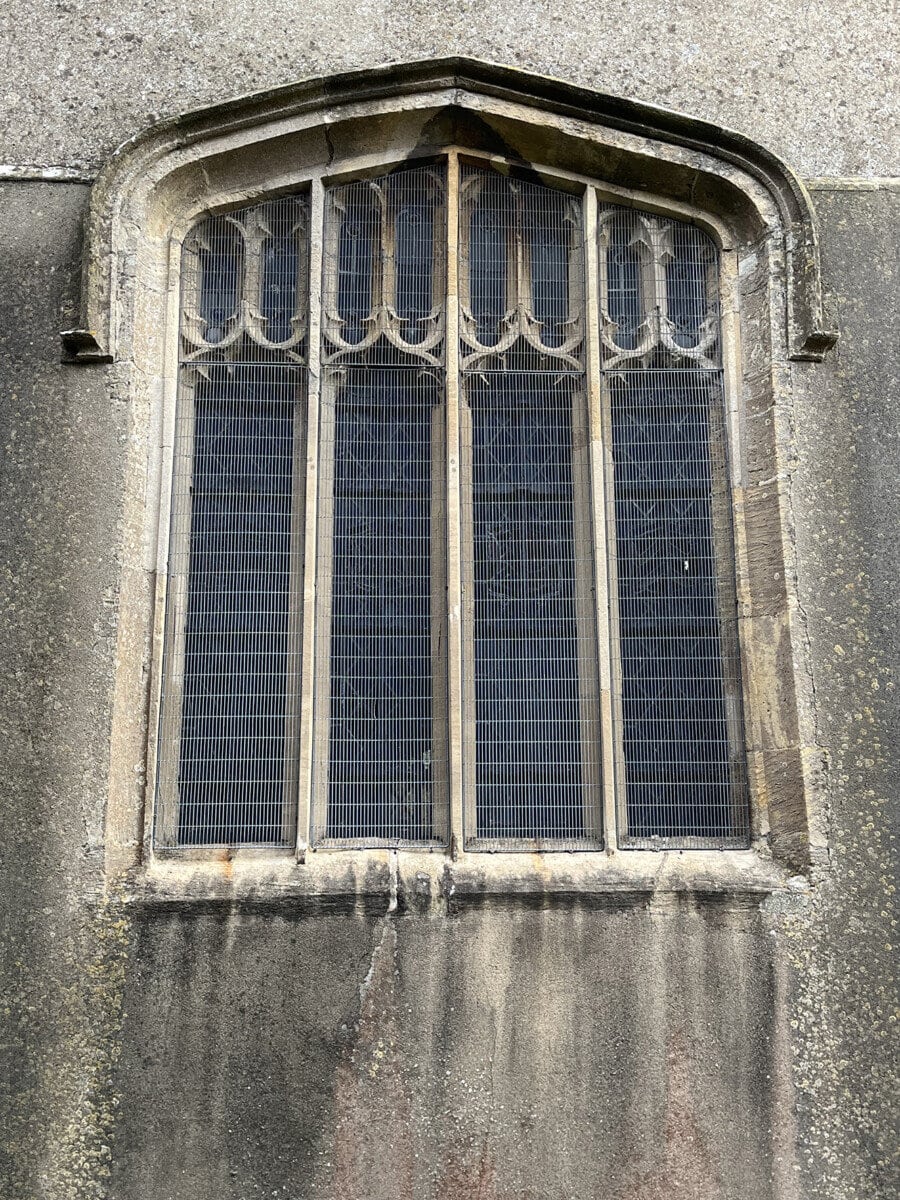
The church of St James the Great is a beautiful 800-year-old, Grade II* listed building in the Cotswold village of Stonesfield, West Oxfordshire. The church was almost entirely built in the early 13th century and displays a list of rectors dating from 1223. It contains some fine Early English work, including beautifully carved stiff-leaf capitals on the chancel arch, a two-bay arcade to the south aisle and, in the north chapel, an east window consisting of a graduated triplet of lancets. There is also some good stained glass, including some heraldic shields dating from the 15th and 16th centuries. The glass is not original to the church but was put in by a former rector in the mid-19th century.
In a restoration of 1825 the north aisle arcade was removed and the aisle heightened to the full height of the nave to accommodate a gallery. But the gallery soon fell into disuse and was removed in 1876, leaving the void that you see today. Many observers feel that the heightened aisle ruins the small scale of the church. Pevsner describes the restoration as lunatic, adding that …the architect, luckily for his reputation, is unknown.