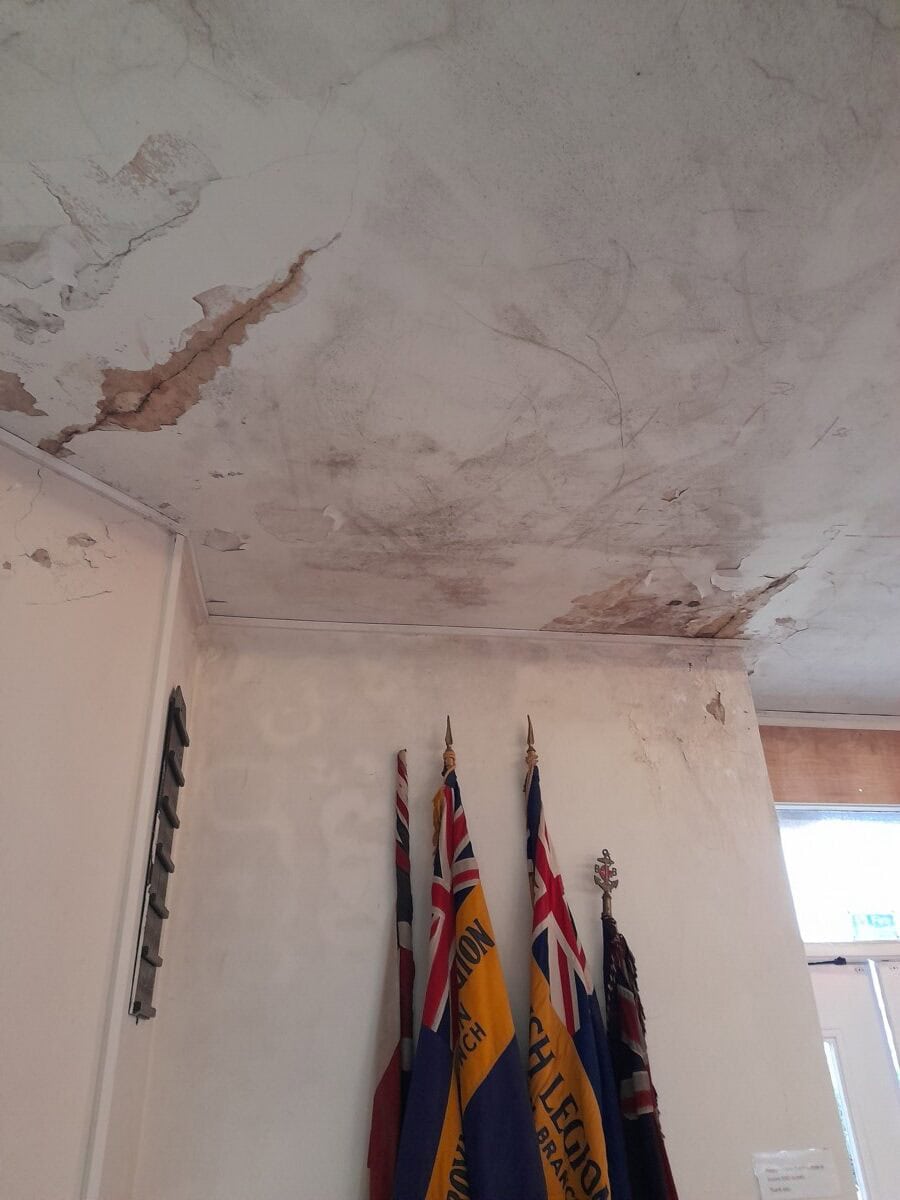
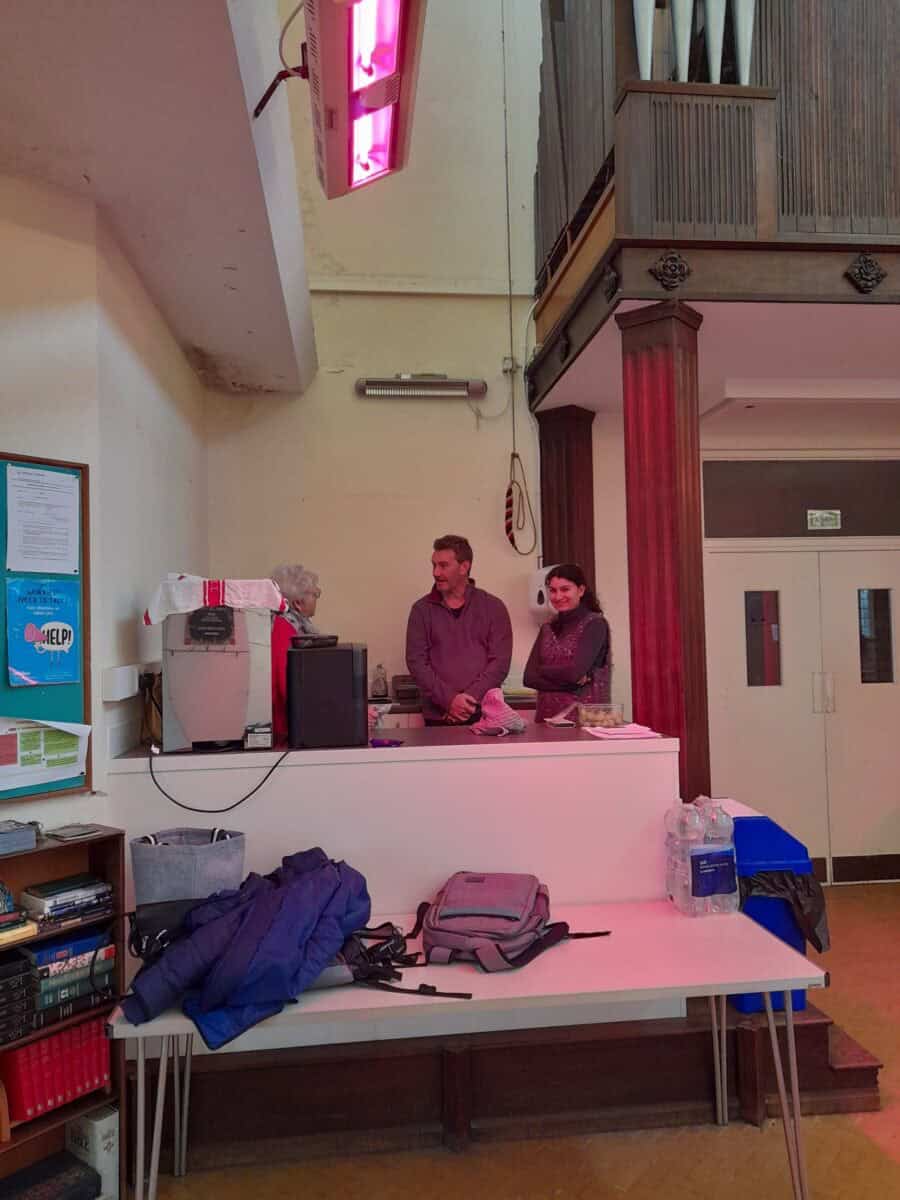
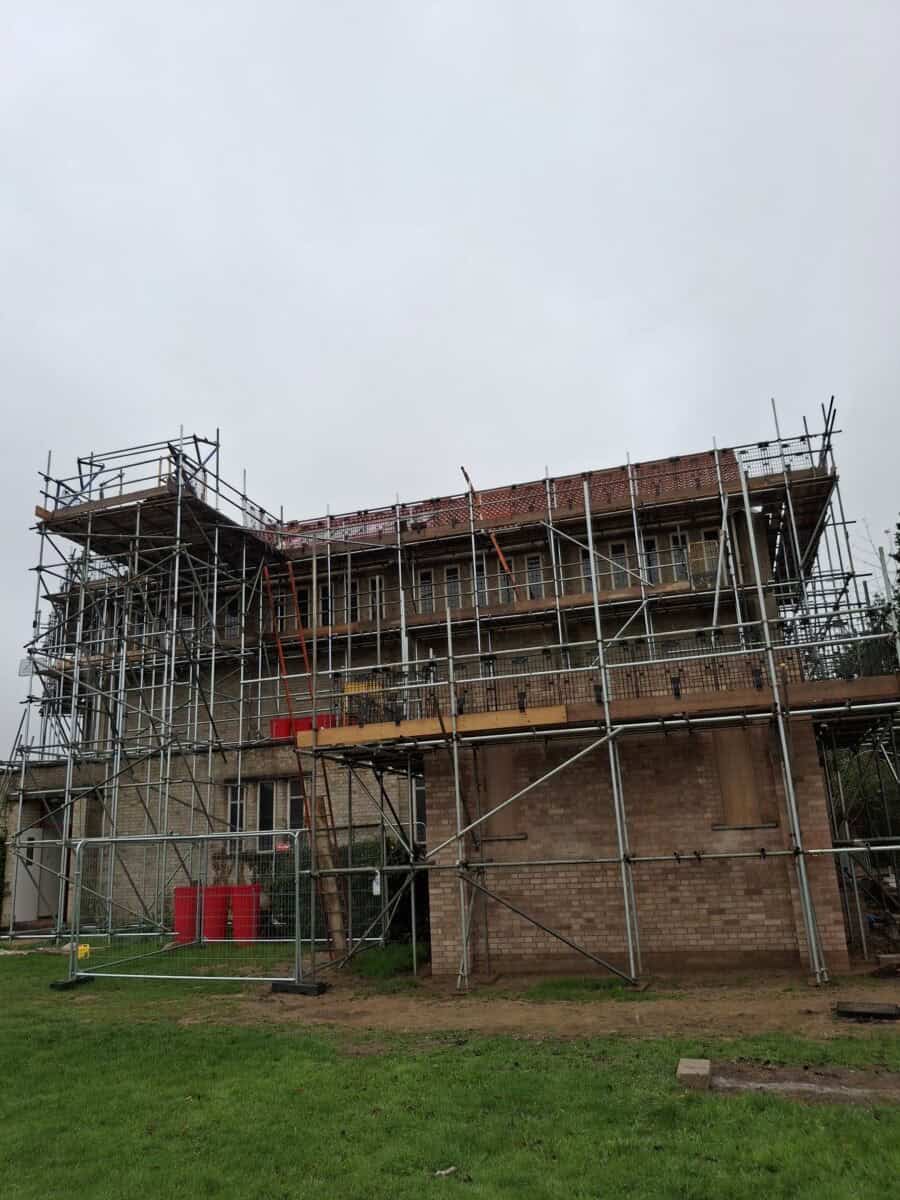
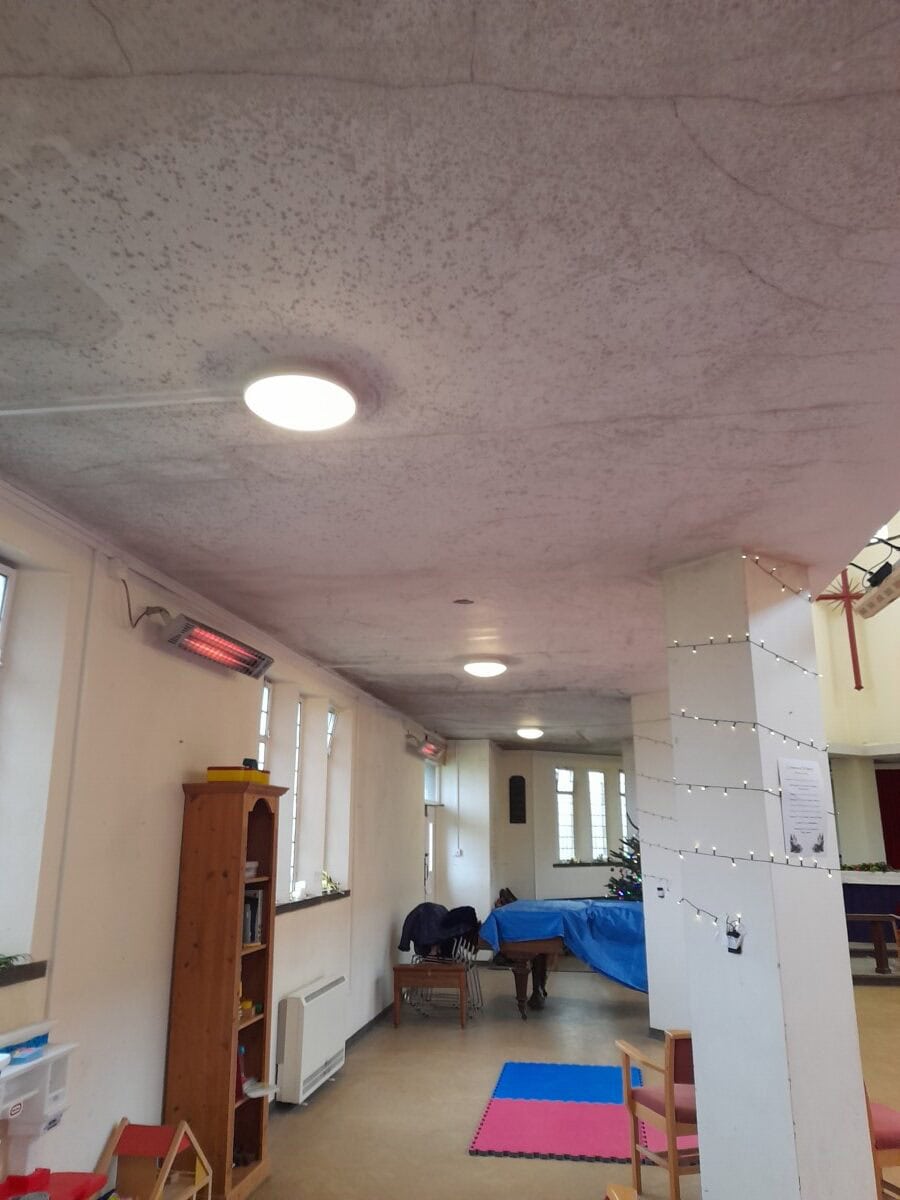
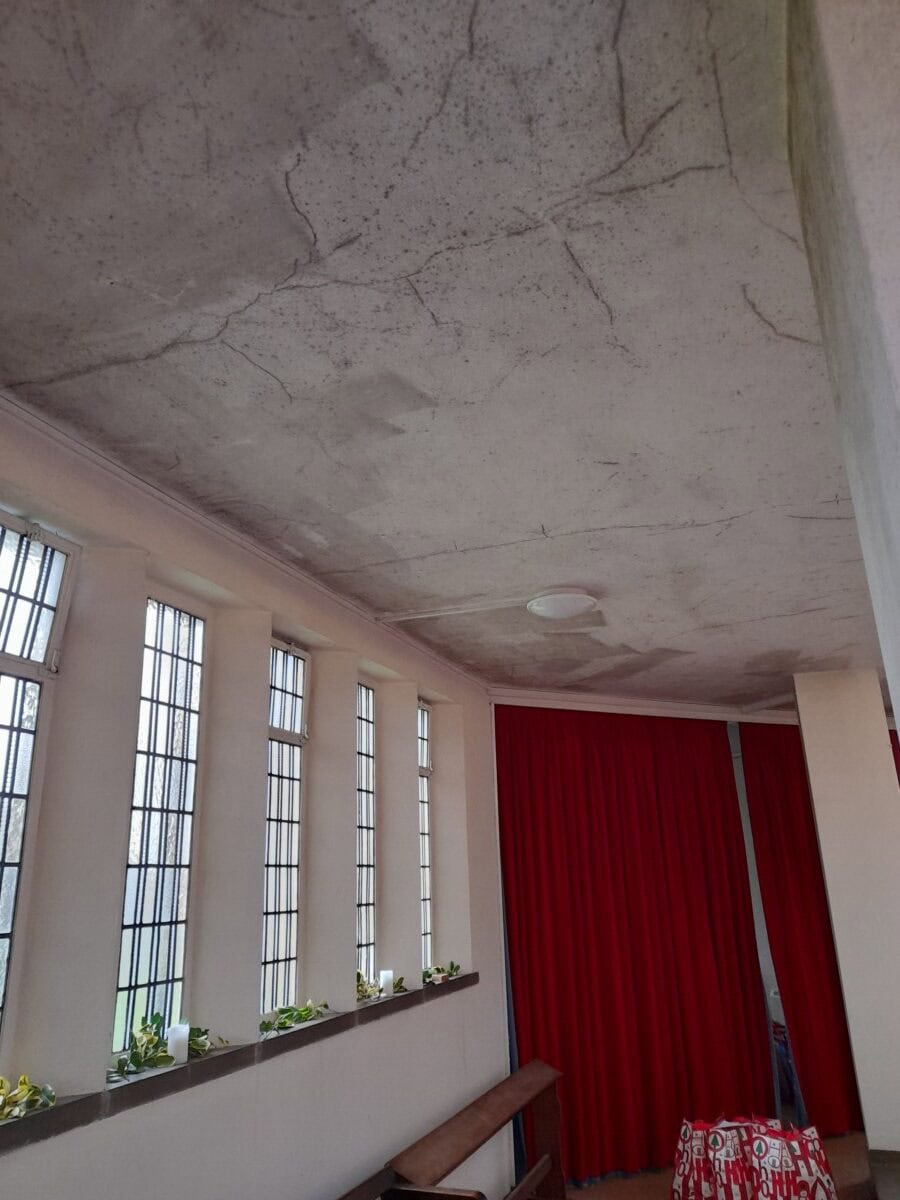
Over the last 60 years, the building had received very little attention, and although it stands as an iconic building on the entrance to the Barton Estate, it has many of the design problems of 1950s buildings. Its flat roof leaked, it had no insulation and its metal windows were very draughty. The church hall became unsafe and was demolished, leaving the building with no kitchen and a very small, inaccessible toilet.
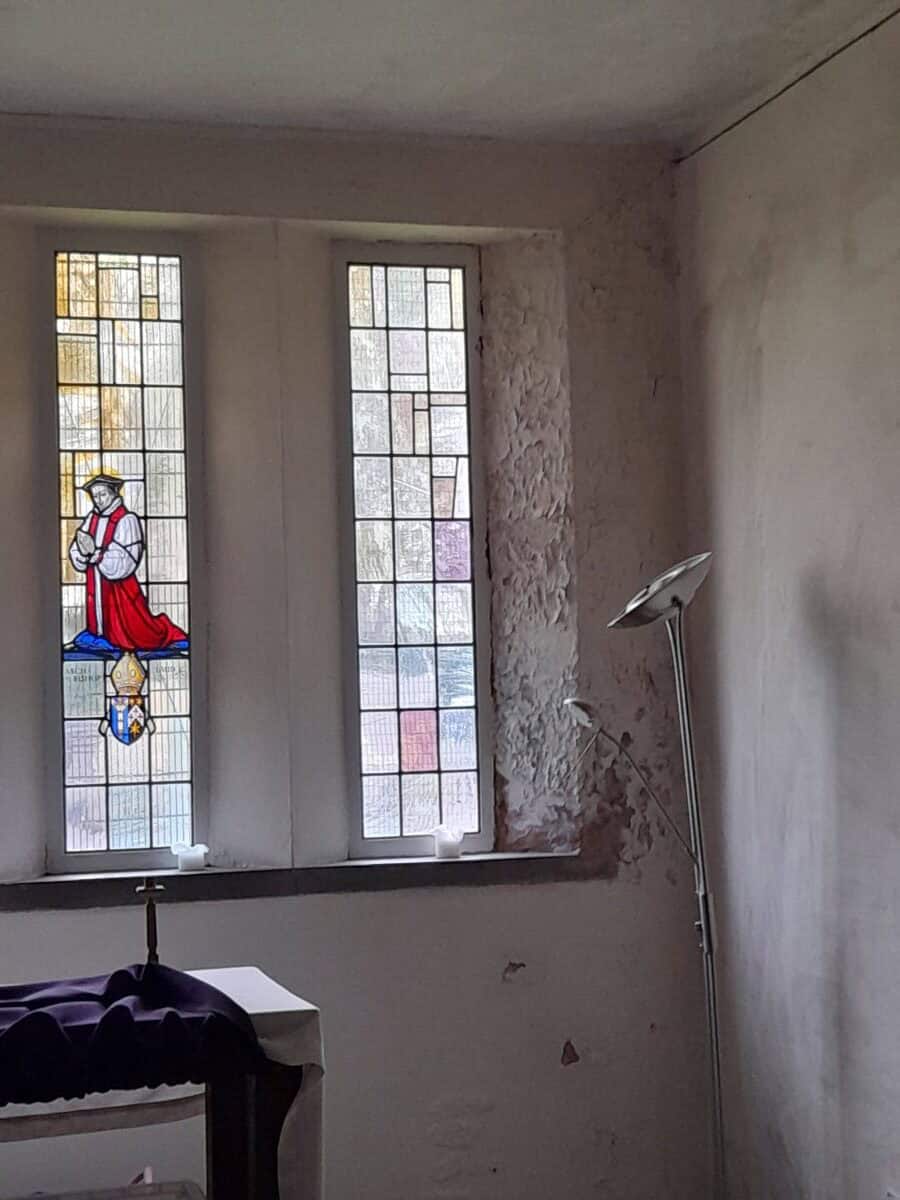
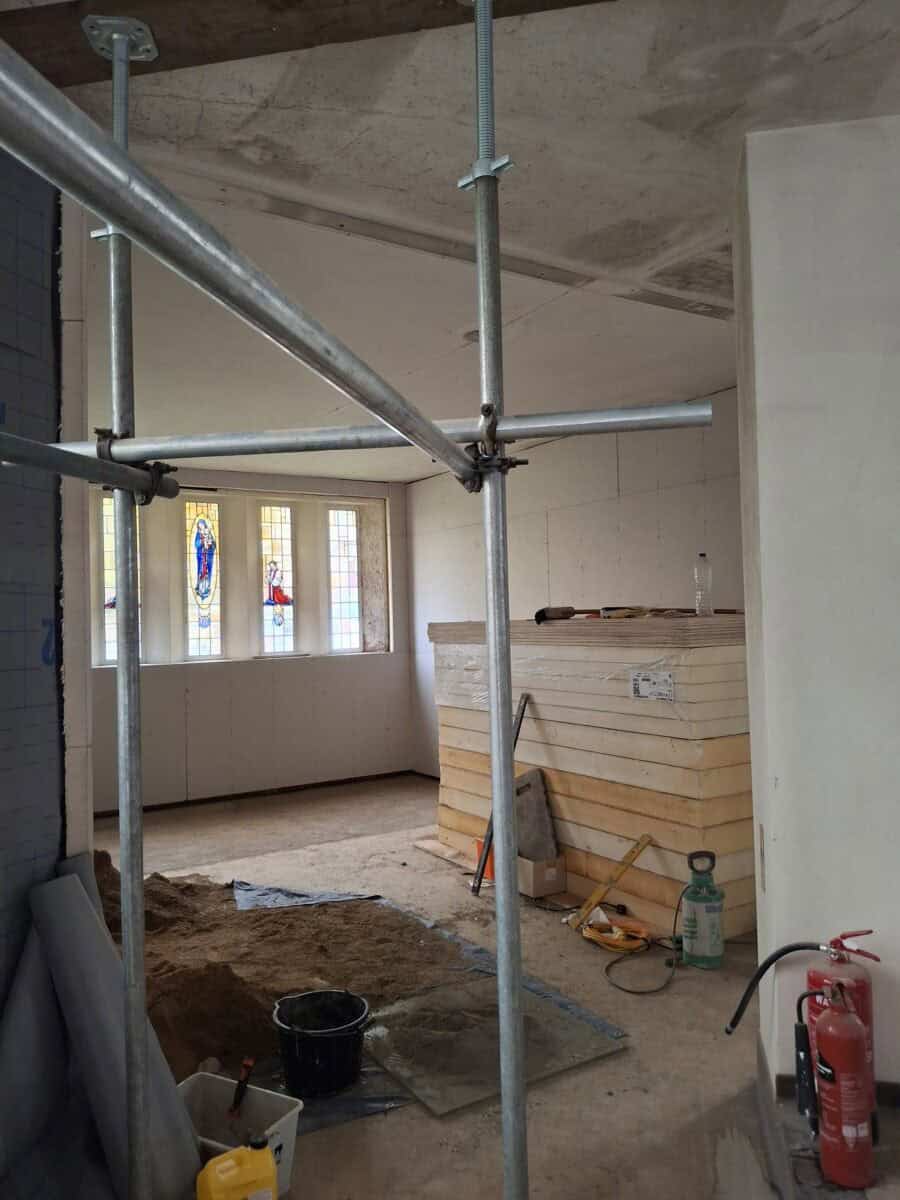
In the project, the church planned to completely replace the roof with ventilation and insulation, renovate the building and add a small extension which would allow for a kitchen and accessible toilet. The grant from OHCT for Phase I was used to help towards the cost of the new roof, and the Phase II grant was subsequently awarded to contribute to converting the existing space dedicated to Charles the Martyr to create an accessible room and small chapel.
Building to Serve was budgeted at £900,000, a mammoth effort for the church with a relatively small congregation, but the project has been achieved, thanks to all those who contributed, including the generous funding from the OHCT.
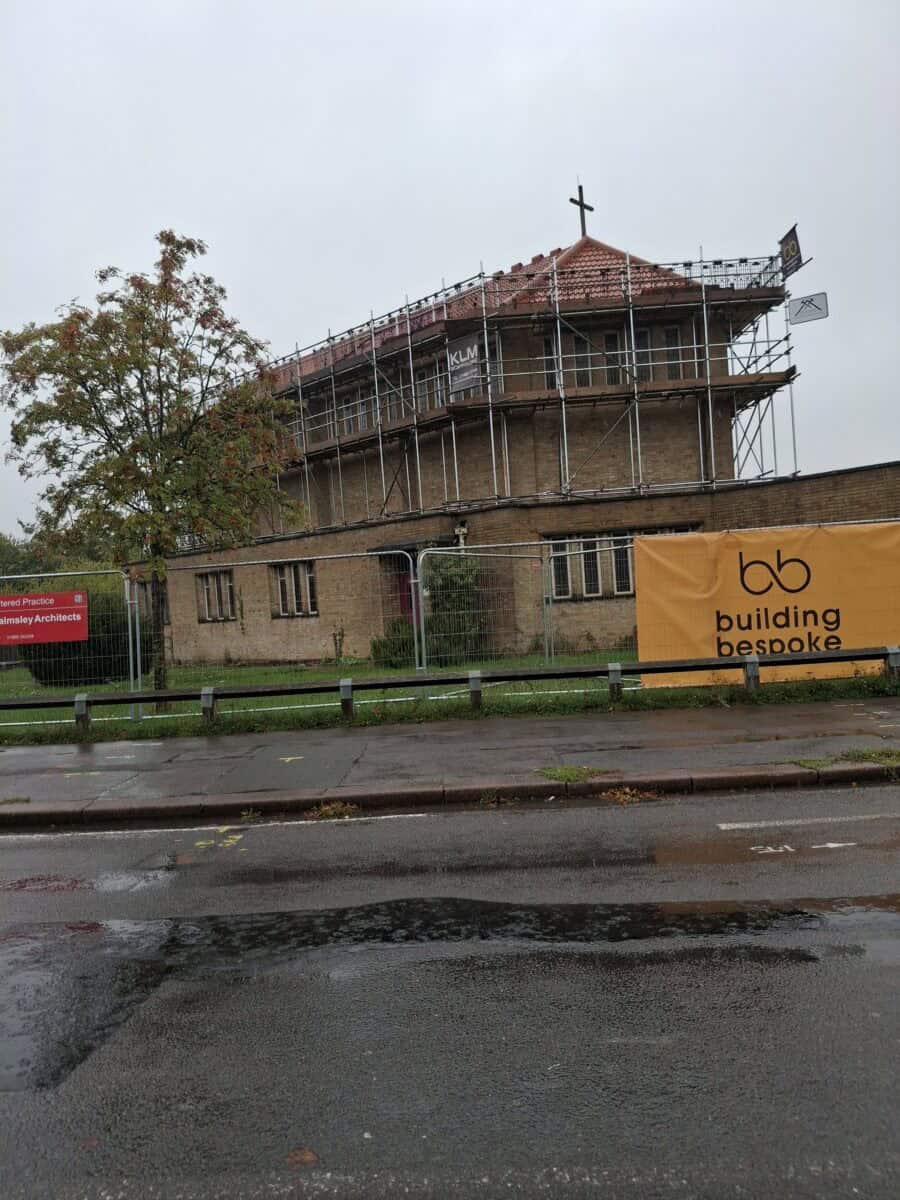
We are very excited that the project undertaken by Tamsin Walmsley of BW Architects and our builders, Building Bespoke, is going to be completed in time for Easter 2026, when services will resume in the church.
HISTORY
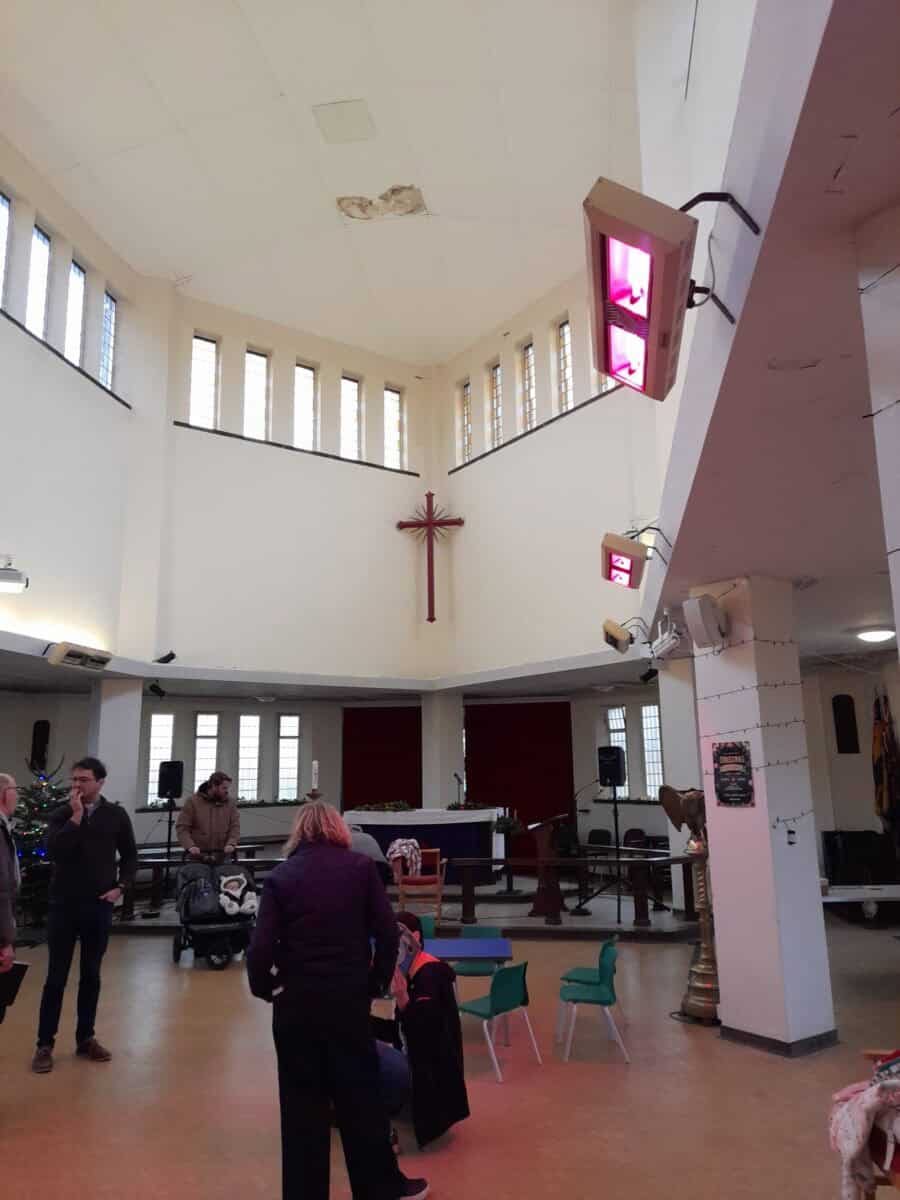
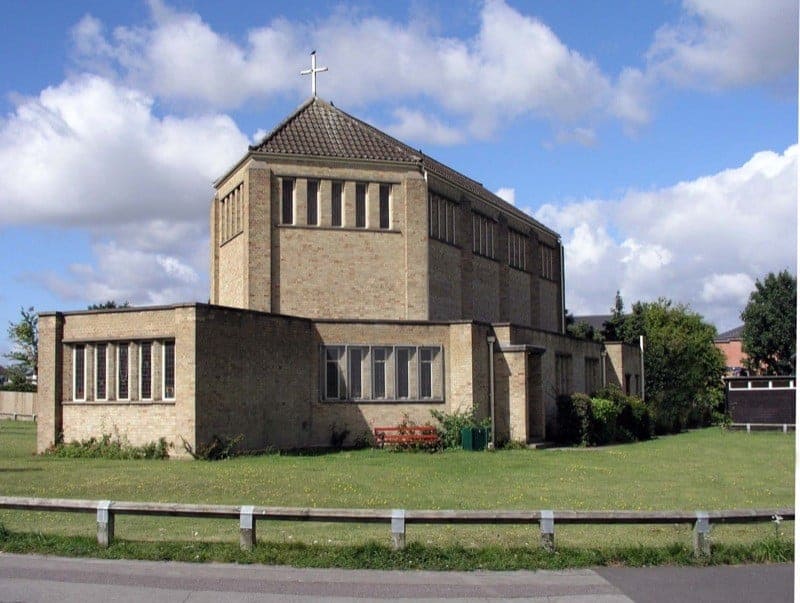
The church (not listed) was built in 1958 to a design by N F Cachemaille-Day (1896-1976) who was considered by some to be the greatest parish church designer of the interwar period. Built for posterity, and frequently located in unpromising surroundings, his churches are monuments in their suburban setting. It is the only example of his work in the diocese and is an example of utilitarian postwar mid-century design. St Mary’s sits proudly on an open green site at the top of Bayswater Road, facing the junction of Oxford’s major arterial roads. It replaced the mission churches of St. Mary’s, Sandhills, and King Charles the Martyr, Headington. Built of brick, comprising a clerestoried and aisled nave, and an eastern chapel., dedicated to Charles the Martyr. There is no structural distinction between nave and chancel, but the east end of the church is tapered like the bow of a boat, giving the impression of an apsidal chancel. It has sometimes been referred to as resembling Noah’s Ark.